
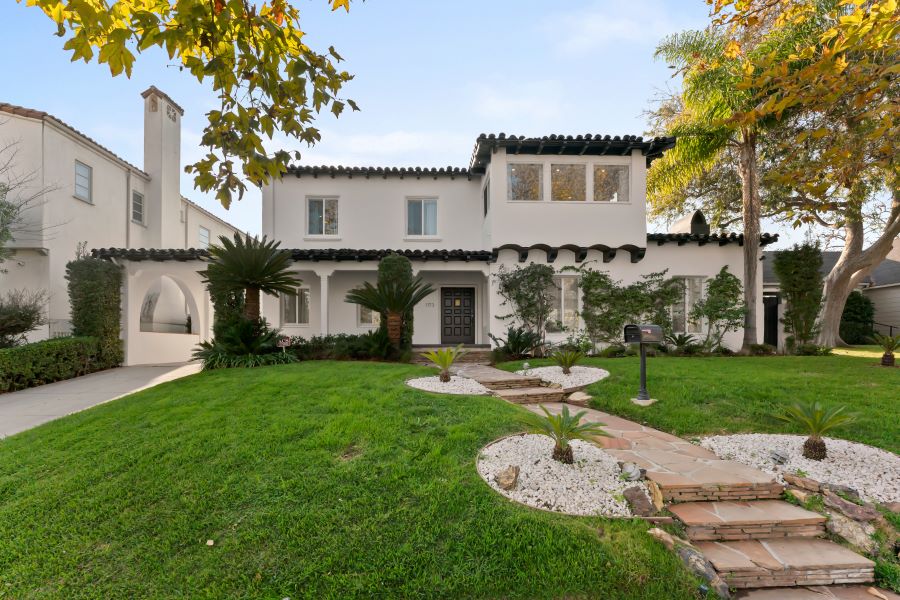
Bright windows can be a major challenge in real estate photography. Sometimes, the room looks perfect, but the windows appear completely white. In other cases, the outdoor view looks clear, but the interior becomes too dark. This problem can affect the quality of property photos. Buyers want to see both the interior and the view outside. Therefore, photographers need a reliable editing method. HDR Real Estate Photo editing is an effective solution. It combines multiple exposures into one balanced image. This process helps recover window details and brighten dark areas.
In this article, we will explore how to achieve clear window views with professional HDR editing.
1. What Is HDR Real Estate Photo Editing?
HDR stands for High Dynamic Range. It is a photography technique that combines several images with different exposure levels.
Each image captures a different level of brightness. One captures the darker areas. Another captures the brighter areas. The editing process combines these details into one photograph.
This technique is useful for interior photography. Rooms often have strong differences between indoor and outdoor lighting.
With HDR editing, photographers can achieve:
- Clear window views.
- Brighter interior spaces.
- Better shadow details.
- Balanced colors and exposure.
- More natural-looking property photos.
The main goal is simple. Every important part of the room should look clear and realistic.
2. Why Do Windows Become Overexposed?
Windows often receive more light than the rest of a room. This creates a large difference in exposure.
Most cameras cannot capture every brightness level perfectly in one shot. As a result, some details disappear.
Here are three common reasons.
Strong Outdoor Light
Sunlight can make windows extremely bright. The outdoor scenery may disappear into white highlights.
Dark Interior Lighting
Indoor spaces often receive less light. Furniture, walls, and corners may look too dark when the camera exposes for the windows.
Incorrect Camera Exposure
A single exposure may not capture both areas correctly. This creates an unbalanced photograph.
HDR Real Estate Photo editing helps solve these problems. It combines the best details from different exposures.
3. How to Get Clear Windows with HDR Editing
Getting natural window views requires more than merging several images. Photographers and editors must follow a careful process.
Here are five useful techniques.
Step 1: Capture Multiple Exposures
Good editing starts with good photography.
Use a tripod to keep the camera steady. Then, capture three to five images with different exposure settings.
Take one image for the interior. Take another for the windows. Additional exposures help capture details in other lighting conditions.
These images provide the information needed for HDR blending.
Step 2: Combine Images Using HDR Blending
The next step is merging the bracketed images.
Software such as Adobe Lightroom Classic can combine multiple exposures. It creates one HDR image with a wider range of visible details.
However, automatic blending may not always produce perfect results.
Windows can still look too bright. Some areas may also lose natural contrast.
Therefore, manual adjustments are often necessary.
Step 3: Use Window Pull Techniques
Window pulling is an important part of professional real estate editing.
This technique uses a properly exposed window image to restore the outdoor view. The editor places it into the main interior photograph.
Adobe Photoshop provides useful tools for this process.
Editors can use layer masks to select the window area. They can then blend the correctly exposed details into the final image.
This method helps preserve the view outside without making the room too dark.
It is especially useful for large windows, glass doors, and rooms with strong sunlight.
Step 4: Balance Indoor and Outdoor Colors
Correct exposure is not enough. Color balance also matters.
Indoor lighting often creates warm yellow tones. Outdoor daylight may look cooler or bluer.
These differences can make the final image look unnatural.
Editors should adjust white balance carefully. They should also match brightness and contrast between the interior and exterior.
The result should look consistent. The window should feel like a natural part of the room.
Step 5: Refine Window Edges and Details
The final step is checking the blending quality.
Poor masking can create bright outlines around window frames. These are known as halos.
They can make the image look heavily edited.
Use soft masking and careful edge refinement. Check curtains, blinds, glass reflections, and window frames.
Zoom in to inspect small details. Then review the complete image at normal size.
A professional HDR image should look natural at every viewing distance.
4. Common HDR Editing Mistakes to Avoid
HDR editing can improve property photos. However, incorrect adjustments can reduce image quality.
Here are some common mistakes.
Over-Editing the Image
Excessive brightness and contrast can make a room look artificial. Keep the lighting natural.
Unnatural Window Views
Do not add outdoor scenery that does not belong to the property. The final image should represent the real location.
Poor Masking
Rough edges can create visible lines around windows. Always refine the mask.
Incorrect Color Temperature
Strong differences between indoor and outdoor colors can look distracting. Adjust both areas carefully.
Dark Interior Shadows
Do not focus only on the window view. Furniture, walls, and other interior details should remain visible.
Avoiding these mistakes helps create clean and professional property images.
5. Benefits of Professional HDR Real Estate Photo Editing
Professional editing can make a significant difference in property marketing.
Here are some important benefits.
Clearer Property Views
Buyers can see outdoor scenery through windows. This makes the images more informative.
Better Interior Presentation
Balanced exposure makes rooms look brighter and more inviting.
More Professional Listing Photos
Consistent lighting and natural colors improve the overall gallery.
Time Savings
Manual window pulling can take time. Professional editors can handle large batches more efficiently.
Better Visual Consistency
A skilled editing team can maintain a consistent style across different rooms and properties.
For photographers who manage multiple listings, outsourcing can also reduce post-production work.
6. Final Thoughts
Clear windows are an important part of professional real estate photography. They help buyers understand the property and appreciate its surroundings.
HDR Real Estate Photo editing provides an effective way to solve exposure problems. By combining multiple exposures, photographers can show both bright windows and dark interiors.
However, good results require careful editing. Window pulling, color correction, and precise masking all play an important role.
The goal is not to create an artificial image. It is to present the property in a clear and realistic way.
With the right photography techniques and professional editing, every window can become a valuable part of the final image.
