
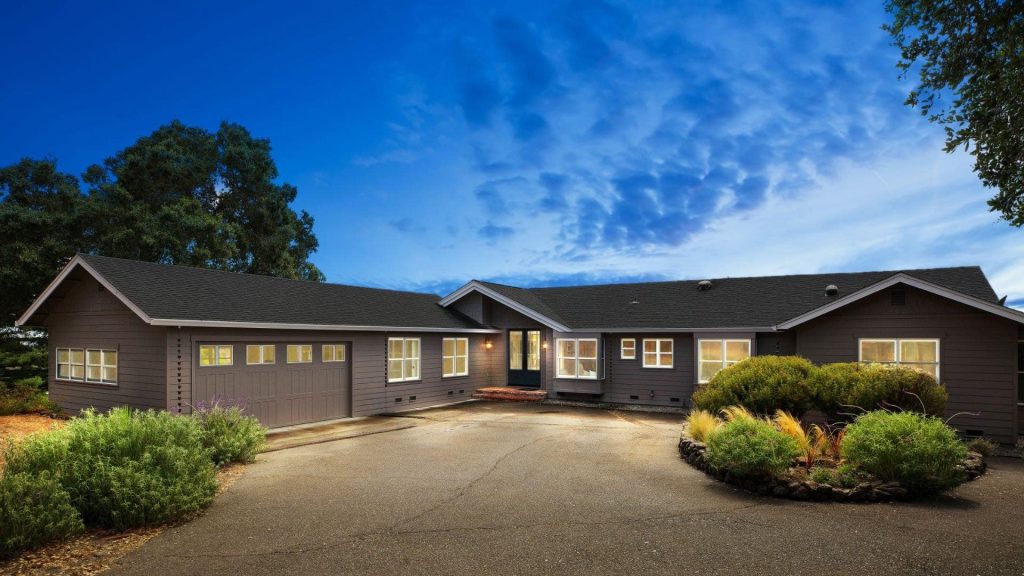
7 Latest Real Estate Photo Retouching Tips for Professional Property Listings
In the competitive real estate market, high-quality property photos can make a powerful first impression. Before buyers schedule a viewing or contact an agent, they often browse listing photos to decide whether a property is worth their attention. Bright, clean, realistic, and professionally edited images can help a listing stand out from hundreds of other properties online.
This is where real estate photo retouching becomes essential.
Professional photo editing is no longer limited to increasing brightness or adding more color. Today, effective retouching focuses on improving an image while keeping the property looking authentic. Editors work on exposure, colors, perspective, window views, unwanted objects, and overall consistency to create attractive images that still accurately represent the property.
Whether you are a real estate photographer, agent, or property marketing professional, these seven real estate photo retouching tips can help you produce better listing photos.
1. Balance Exposure and Brightness
Lighting has a major impact on how buyers perceive a property. A dark interior can make a room feel small and uninviting, while an overly bright image can remove important details from walls, furniture, floors, and other features.
One of the first steps in real estate photo retouching is creating a balanced exposure. Editors can brighten darker areas, reduce excessive highlights, and adjust contrast so that important details remain visible.
However, the goal should not be to make every part of the image equally bright. Natural shadows and subtle contrast are important because they give a room depth and dimension.
A well-edited property photo should look bright and welcoming while still feeling natural. Buyers should be able to see the room clearly without feeling that the image has been heavily manipulated.
2. Improve Window Views with Masking
Windows can be challenging to photograph because indoor and outdoor lighting are often dramatically different. When the interior is correctly exposed, the view through the windows may appear completely white. If the exterior is properly exposed, the room itself may become too dark.
Window masking is an effective solution.
Using multiple exposures or carefully selected masks, editors can combine the interior and exterior details into a single balanced image. This allows viewers to see both the room and the scenery outside the windows.
This technique can be particularly useful for properties with:
- Beautiful gardens
- Swimming pools
- Waterfront views
- City skylines
- Large outdoor spaces
- Scenic landscapes
The key is subtlety. The outdoor view should complement the interior rather than look unnaturally bright, sharp, or saturated.
3. Correct Perspective and Straighten Architectural Lines
Wide-angle lenses are commonly used in real estate photography because they allow photographers to capture more of a room. However, they can also introduce distortion.
Vertical lines may appear to lean, walls can look uneven, and doors or windows may appear tilted. These issues can make an otherwise attractive property photo look unprofessional.
Perspective correction is therefore an important part of real estate photo retouching.
Editors can straighten vertical lines, correct lens distortion, and adjust the geometry of the image. These changes help rooms and buildings appear more natural and visually balanced.
However, perspective correction should be handled carefully. Editing should improve the accuracy of the photograph rather than make a room appear significantly larger than it really is.
The purpose is simple: correct the camera distortion without changing the reality of the property.
4. Keep Colors and White Balance Consistent
Color plays an important role in professional real estate photography. Unfortunately, properties often contain several different types of lighting.
For example, a room might have natural daylight coming through the windows, warm ceiling lights, and cool LED fixtures. Without proper editing, these different light sources can create unwanted color casts.
White balance correction helps restore a more natural appearance. White walls should look reasonably neutral, while materials such as wood, flooring, furniture, and countertops should retain their authentic colors.
Consistency is also important across the entire property listing.
Imagine that the living room has a warm, natural appearance while the kitchen looks noticeably blue and the bedroom looks extremely yellow. Even if each photo looks acceptable individually, the complete gallery may feel inconsistent.
Professional real estate photo retouching should therefore create a cohesive visual style throughout the entire listing.
5. Remove Unnecessary Objects and Clutter
Small distractions can have a surprisingly large impact on a property photo. Items such as cables, trash bins, personal photographs, stains, small countertop objects, or temporary clutter can draw attention away from the property’s most important features.
Object removal can help create a cleaner and more organized composition.
For example, an editor might remove:
- Visible cables
- Small pieces of clutter
- Trash cans
- Minor stains
- Personal items
- Temporary objects
- Unwanted distractions
The purpose is not to change the property. Instead, the goal is to help viewers focus on its layout, architecture, furniture, and key features.
This is an important distinction in real estate photo retouching. Temporary clutter can be removed to improve presentation, but permanent features or significant property defects should not be digitally removed in a way that could mislead potential buyers.
Professional editing should always improve presentation while maintaining honesty.
6. Create a Consistent Look Across the Entire Listing
A real estate listing usually contains much more than one or two photographs. A typical gallery may include the living room, kitchen, bedrooms, bathrooms, exterior, garden, garage, and other important areas.
For this reason, consistency is just as important as the quality of individual images.
Photos in the same listing should have similar:
- Exposure
- White balance
- Contrast
- Saturation
- Sharpness
- Color temperature
- Overall editing style
When every photograph looks like it belongs to the same collection, the property gallery feels more professional and easier to browse.
Batch editing tools can help photographers and editors create a consistent starting point across multiple images. However, automated adjustments should not replace human quality control. Different rooms may have different lighting conditions and therefore require individual corrections.
An efficient workflow combines automation with careful manual review.
7. Use AI Editing Tools Without Losing Authenticity
Artificial intelligence is becoming an increasingly important part of modern real estate photo retouching. AI-powered tools can help with tasks such as masking, object removal, noise reduction, image enhancement, and repetitive editing processes.
These tools can save time, especially when photographers need to process large numbers of property images.
However, automation should be used carefully.
Excessive AI enhancement can produce unrealistic textures, overly smooth surfaces, unnatural skies, exaggerated colors, or details that do not accurately represent the property.
Instead of relying entirely on automated editing, photographers and editors should treat AI as a helpful assistant. The final image should always be reviewed by a person who can determine whether the result looks realistic.
The best approach is to combine AI efficiency with human judgment.
Why Does Real Estate Photo Retouching Matter?
Professional property photography is not simply about making a house look beautiful. Listing images help potential buyers understand the property’s layout, atmosphere, condition, and features before they decide whether to arrange a viewing.
High-quality real estate photo retouching can improve this visual communication in several ways.
Better exposure makes rooms easier to see. Accurate colors help buyers understand materials and finishes. Perspective correction makes architectural elements look more natural, while careful object removal reduces visual distractions.
Most importantly, professional editing can make a listing feel polished without making it misleading.
The goal is not to create a property that looks completely different from reality. The goal is to show the property in the clearest and most appealing way possible.
How to Choose the Right Real Estate Photo Retouching Style
There is no single editing style that works for every property. A modern apartment, luxury villa, suburban family home, and commercial property may each require a different visual approach.
When deciding on an editing style, consider:
Property Type
Luxury properties may benefit from refined lighting and detailed color correction, while everyday residential listings may need a clean and natural appearance.
Target Audience
Consider who is most likely to view the listing. The editing style should support the property’s marketing strategy without exaggerating its features.
Brand Consistency
Photographers and real estate agencies should maintain a recognizable editing style across their listings. Consistency can make their portfolio look more professional.
Authenticity
Regardless of the editing style, the final photograph should accurately represent the property. Buyers should not feel misled when they eventually visit the home.
Final Thoughts
Modern real estate photo retouching is about much more than making photos brighter or more colorful. Effective editing combines technical correction, visual consistency, efficiency, and authenticity.
The seven techniques covered in this guide—exposure correction, window masking, perspective correction, white balance adjustment, object removal, consistent editing, and careful AI use—can help photographers and real estate professionals create stronger property listings.
The most successful retouching is often subtle. When the lighting looks natural, colors remain accurate, architectural lines are straight, and unnecessary distractions are removed, viewers can focus on what matters most: the property itself.
By using modern editing techniques while respecting the property’s true appearance, professionals can create listing photos that are both visually appealing and trustworthy.
