
Introduction
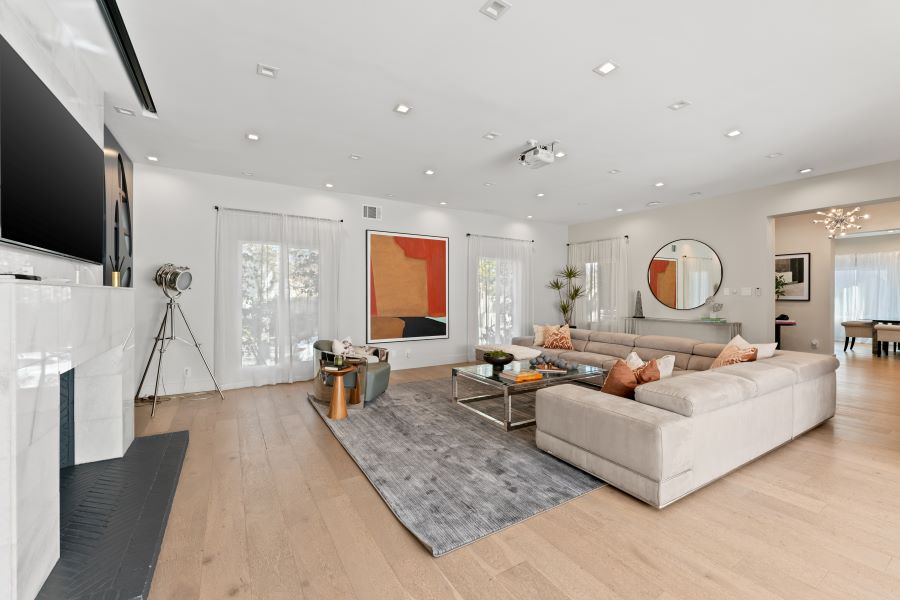
High-quality interior photos are essential for making a strong first impression on potential property buyers. However, even beautiful rooms can look unappealing when editing is poorly executed. From unnatural colors to excessive HDR effects, common mistakes in real estate interior retouching can reduce image quality and make a property appear different from reality.
Professional retouching should enhance a room’s natural beauty while preserving its authentic appearance. In this article, we explore seven common interior photo editing mistakes and practical ways to avoid them.
1. Overediting Colors and Saturation
One of the most common real estate interior retouching mistakes is increasing saturation too much. While vibrant colors can make photos stand out, excessive adjustments can make wooden floors appear orange, furniture look unnaturally bright, and decorative elements lose their original character.
How to avoid it:
- Adjust vibrance and saturation carefully.
- Preserve the original colors of walls, flooring, furniture, and decorations.
- Compare edited images with the original photographs.
- Use selective color adjustments instead of applying strong changes to the entire image.
Natural colors help buyers understand what a property actually looks like and create a more professional presentation.
2. Incorrect White Balance
Indoor photography often combines natural daylight with artificial lighting. This mixture can create yellow, orange, green, or blue color casts that make rooms look uncomfortable or uninviting.
For example, white kitchen cabinets may appear yellow, while neutral gray walls may look blue. These inconsistencies can negatively affect the overall quality of a property listing.
How to avoid it:
- Correct temperature and tint in Lightroom or Photoshop.
- Use neutral surfaces, such as white walls, as visual references.
- Keep colors consistent across connected rooms.
- Avoid removing every warm tone, as some warmth may be natural and appealing.
Accurate white balance is an important part of professional real estate interior retouching because it preserves the property’s true colors.
3. Unnatural Lighting and Exposure
Dark corners, blown-out windows, and uneven brightness are frequent challenges in interior photography. Excessive exposure adjustments can wash out white surfaces, while overly dark shadows may hide important details.
The goal is to create a bright, welcoming atmosphere without making the room look artificially illuminated.
How to avoid it:
- Recover highlights around windows whenever possible.
- Lift shadows gradually to reveal details in darker areas.
- Use exposure blending when multiple exposures are available.
- Preserve natural shadows to maintain depth and dimension.
Balanced lighting makes rooms easier to understand and highlights their architectural features without sacrificing realism.
4. Overusing HDR Effects
High Dynamic Range (HDR) editing combines multiple exposures to capture details in both bright and dark areas. Although useful for interior photography, excessive HDR processing can create glowing edges, strange contrast, and flat-looking surfaces.
These effects can make a real room resemble a computer-generated image rather than a photograph.
How to avoid it:
- Blend exposures carefully instead of forcing every area to the same brightness.
- Avoid excessive clarity, contrast, and shadow recovery.
- Preserve natural light direction and realistic shadows.
- Inspect window frames, furniture edges, and ceiling details for halos.
Effective HDR retouching should improve visibility while keeping the room natural and believable.
5. Distorted Perspective and Crooked Lines
Wide-angle lenses help photographers capture entire rooms, but they can also make walls lean, doors appear crooked, and furniture look stretched. Poor perspective correction can exaggerate these problems or distort the room’s proportions.
How to avoid it:
- Straighten vertical walls, door frames, and window edges.
- Apply lens profile corrections when appropriate.
- Use perspective tools carefully to avoid stretching furniture or cutting off important details.
- Check the final crop after correcting the geometry.
Accurate perspective helps viewers understand the room’s layout and creates a clean, professional appearance.
6. Removing Too Much Detail and Texture
Retouching often involves removing distracting objects, sensor spots, dust, or unwanted reflections. However, aggressive cleanup can erase important details or leave visible cloning marks.
Over-smoothing can also remove the natural texture of wooden floors, fabric, stone countertops, and other materials.
How to avoid it:
- Use the Healing Brush and Clone Stamp tools selectively.
- Preserve realistic material textures and surface details.
- Inspect reflections in mirrors, glass doors, and polished furniture.
- Remove distractions without changing permanent property features or misrepresenting the space.
Careful retouching should make a room look tidy without making it look artificial.
7. Inconsistent Editing Across Photos
A property listing usually contains multiple images of bedrooms, kitchens, bathrooms, and living areas. When each image has different brightness, color temperature, or contrast, the gallery can feel disjointed.
For example, one room may appear cool and blue, while the next looks overly warm and yellow.
How to avoid it:
- Establish a consistent editing style for the entire property.
- Synchronize basic adjustments where lighting conditions are similar.
- Review images side by side before delivery.
- Make individual corrections when different rooms require different treatments.
Consistency creates a more cohesive property gallery and helps photographers maintain a recognizable professional style.
Conclusion
Avoiding these seven real estate interior retouching mistakes can significantly improve the quality and credibility of property photographs. Natural colors, balanced exposure, accurate perspective, realistic textures, and consistent editing all contribute to stronger listing images.
The best approach is to enhance what already exists rather than over-editing a property. By following these best practices, photographers, real estate agents, and editing professionals can create attractive images that capture attention while maintaining buyer trust.
